
Lesssons Learned is a series in which I ask questions that can help me become a better writer. I try to learn from all the stories I encounter – the good, the bad and the ugly.
Today, I’m going to look into A Little Life by Hanya Yanagihara. If you haven’t read this book, no worries—you are still welcome here.
Publisher’s blurb
A Little Life follows four college classmates—broke, adrift, and buoyed only by their friendship and ambition—as they move to New York in search of fame and fortune. While their relationships, which are tinged by addiction, success, and pride, deepen over the decades, the men are held together by their devotion to the brilliant, enigmatic Jude, a man scarred by an unspeakable childhood trauma. A hymn to brotherly bonds and a masterful depiction of love in the twenty-first century, Hanya Yanagihara’s stunning novel is about the families we are born into, and those that we make for ourselves.
The novel has sold over 2.5 million copies and received several high-profile awards, yet it has also sparked controversy due to its graphic portrayal of domestic violence and self-harm. Reflecting on the writing itself, these were the questions that crossed my mind as I read.
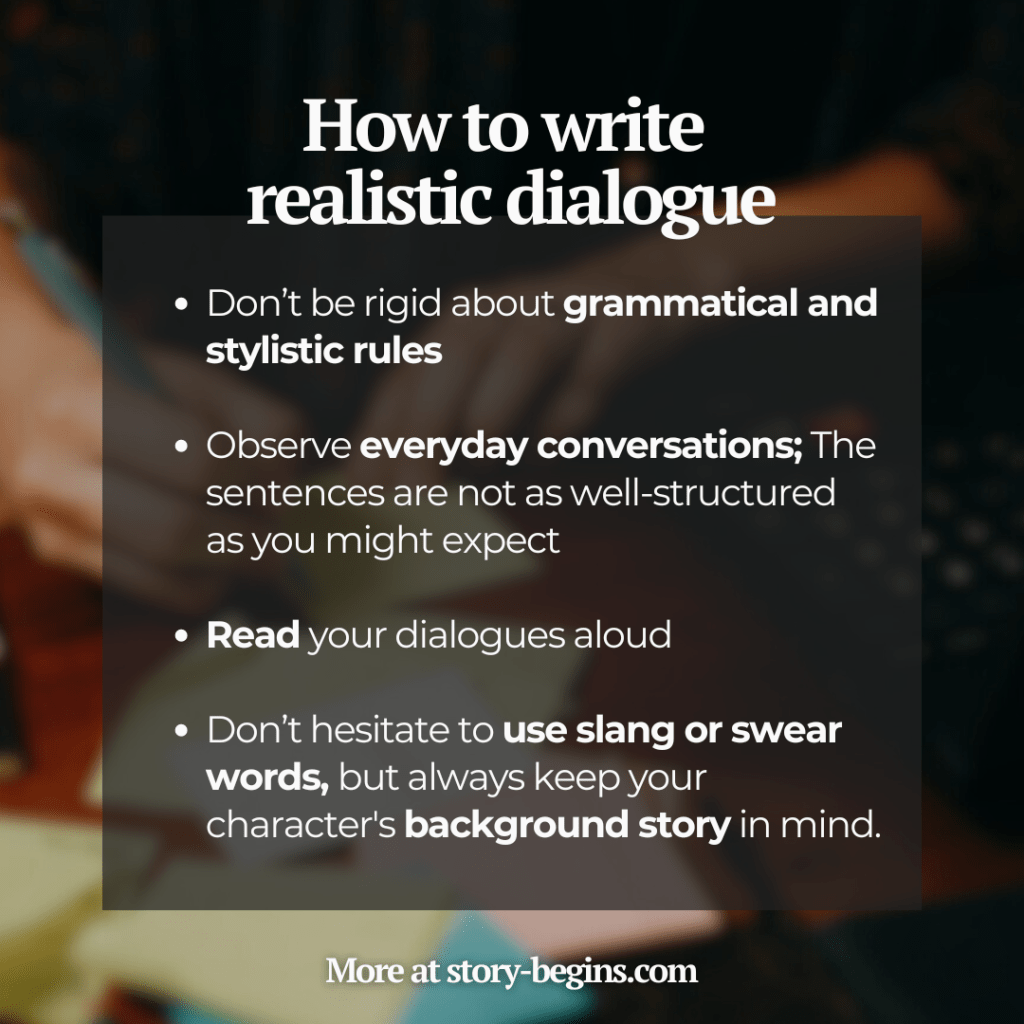
1. But how do we talk like, for real?
Hanya Yanagihara uses beautiful language that is often able to transport the reader to the places and situations she writes about. However, this rich, polished language full of imagery has one catch: it continues even within the dialogue.
If I want direct speech to resemble reality, I can’t apply all grammatical and stylistic rules to it. Sentences in everyday conversations are often unfinished, overlapping and wildly broken.
Do I read my dialogues out loud? Do my characters use slang or swear words? Do they speak in line with their background story?
2. Do I Give My Characters Enough Pagetime?
Screenwriters and authors often spend years with their characters, contemplating their actions, thoughts, and backstories. Sometimes, I devote weeks to perfecting a single scene, which someone else reads in just a few minutes.
“A Little Life” spans 720 pages, and while some passages and characters seemed unnecessary or tedious, I must consider: as a reader, would I truly care about Jude, Willem, and the rest of the ensemble if I hadn’t witnessed their highs and lows, as well as the mundane?
When it comes to my own writing, do I give readers enough time with the characters so they genuinely care about them? Do the emotions and nuances I intend really come across on the page, or do they remain trapped in my head?
3. Shall I Start with a Bang?
My mother-in-law gifted me “A Little Life” with these words: “Stick with it for eighty pages, and then it really picks up.”
Excuse me? I don’t want to wait eighty pages! Unfortunately, that’s exactly what happened. The exposition was long and tiresome, focusing on several characters who ultimately turned out to be unimportant, despite the author’s attempts to convince me otherwise.
In Ars Poetica, Horace describes an ideal epic poet as one who “does not begin the Trojan War from the double egg,” referencing Homer’s Odyssey, which does not start with Helen of Troy being born from one of the twin eggs laid by Leda. That would be, of course, far too early and irrelevant to the main storyline.
Horace suggests we should snatch the reader into the middle of things (in medias res). Achilles is raging. An ambulance races through crowded streets. The casino vault is exploding.
4. How Graphic is Too Graphic?
Some people love “A Little Life” and claim it provides a sensitive insight into the soul of a traumatized person. Others find the book disgusting and believe it describes violence and self-harm too graphically. While reading reviews, I even came across the term “torture porn” multiple times.
I’m not sure if it’s possible to discuss Jude’s trauma without the author showing its origins. Additionally, arguing that so many terrible things couldn’t happen to one person doesn’t make sense, as survivors of trauma are often, unfortunately, more vulnerable and thus more easily exploited.
When it comes to violence, it may always be too graphic for some readers. The more important question is: do I know who my target audience is? And, considering this, am I careful about how I handle such topics?
Under no circumstances should I romanticize suicide and self-harm. It’s proven that some writing about suicides can lead to more suicides. Because of this, many respected media outlets hardly report on them at all anymore.
What were your key takeaways from A Little Life? Let me know!
 Story Begins
Leave a comment